Protect Your Boat Through New Hampshire Winters
Winterization Services
Winterization is a critical seasonal service that protects engines, plumbing, and structural components from freeze damage, corrosion, and degradation during cold months. Mainline Marine Service offers comprehensive winterization services for boats on Mirror Lake and throughout New Hampshire to ensure safe storage and an easier spring commissioning.
Why Winterization Matters
When temperatures drop, untreated water in engines, plumbing, and systems can freeze and expand, causing cracked blocks, damaged hoses, and compromised seals. Proper winterization:
Prevents freeze-related engine and plumbing damage
Minimizes corrosion and fuel degradation
Reduces the risk of costly spring repairs
Saves time and stress during spring commissioning
Preserves the boat’s long-term condition and resale value
Key Winterization Services We Provide
Engine Winterization
- Flush cooling systems (freshwater flush for outboards and inboards)
- Stabilize fuel systems and treat fuel with approved additives
- Fog internal engine cylinders (as recommended) or use manufacturer-recommended procedures
- Drain and protect water-cooled components per engine specifications
- Disconnect or load batteries to maintenance chargers and store properly
Fuel System Preparation
- Fuel stabilizer added to prevent oxidation and bacterial growth
- Fuel filters replaced or inspected
- Fuel tanks inspected and vented per best practices to prevent condensation
- For ethanol-blend fuels, additional preparations recommended due to water absorption tendencies
Lower Unit and Gear Oil Service
- Drain and inspect gear oil for water intrusion or metal particles
- Replace gear oil and seals if necessary to prevent corrosion
Water Systems Drain and Protection
- Drain freshwater systems, livewells, and washdown systems
- Add antifreeze where required in low points and pumps following environmental guidelines
- Inspect hoses and fittings for winter wear
Battery Care and Electrical Protection
- Remove batteries or place on maintenance chargers
- Clean terminals, inspect for corrosion, and ensure proper storage temperature
- Protect exposed electrical connections and install dielectric grease where recommended
Bilge and Pump Checks
- Clean bilge and test bilge pumps
- Remove bilge debris and verify float switches operate properly
Interior and Canvas Care
- Remove electronics and high-value items from cabins
- Clean and dry interior spaces to prevent mold and mildew
- Treat canvas and upholstery, and store covers to avoid UV and moisture damage
Exterior Prep and Storage Support
- Wash and wax hulls to protect gelcoat surfaces
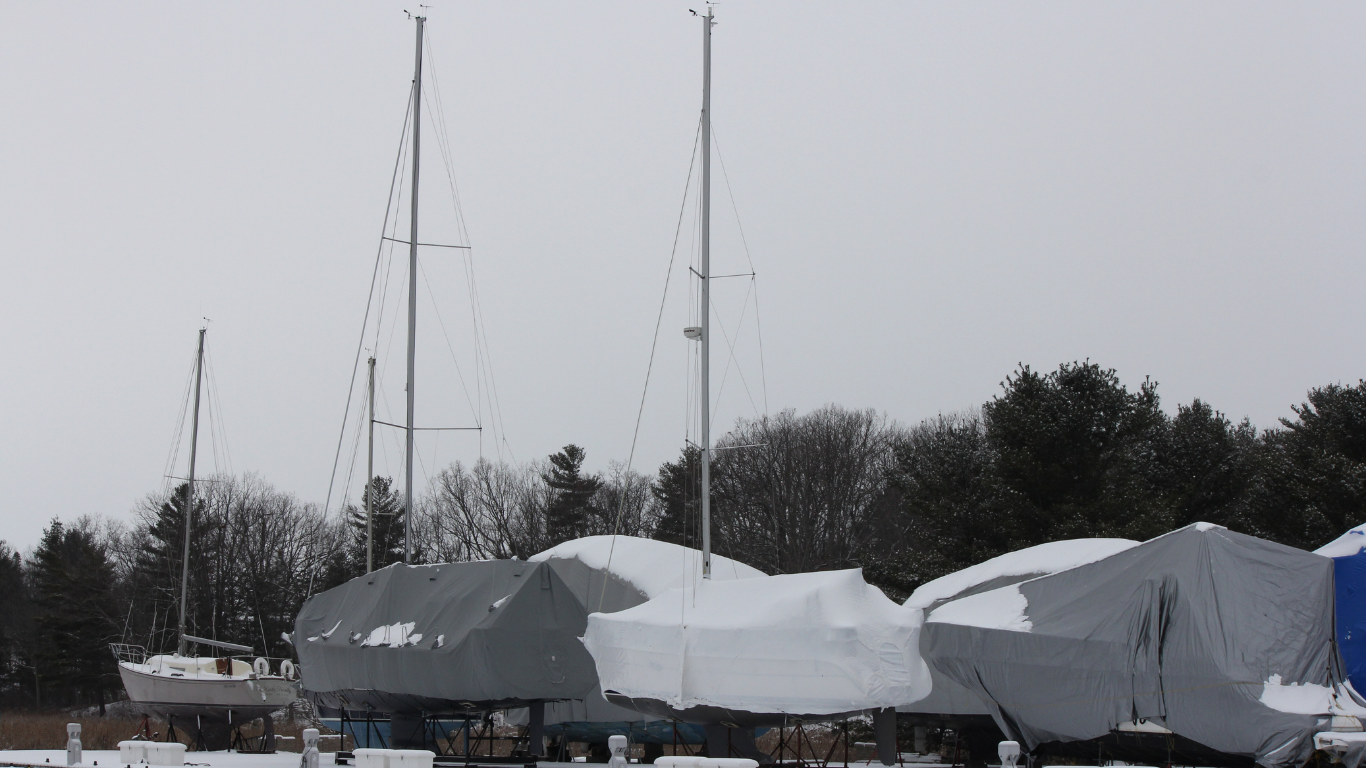
- Remove drain plugs and prepare boat for shrink-wrap or covered storage as needed
- Secure and label keys, documentation, and remove or stow loose items
Documentation and Spring Prep Notes
- Provide a winterization report outlining steps performed
- Recommend spring commissioning checklist and any repairs to schedule before launch
- Manufacturer diagnostic tools for major outboard brands
- Multimeters, amp clamps, fuel pressure testers, and scan tools
- Watercraft-specific tools for lower unit service and propeller work
- Fiberglass and gelcoat repair kits for cosmetic and structural fixes
Environmentally Responsible Winterization
We follow best practices to minimize environmental impact:
- Contain and properly dispose of fluids per local regulations
- Use biodegradable cleaning products where appropriate
- Avoid antifreeze run-off into the lake and use containment for engine flushing
Typical Winterization Process
Initial Inspection:
We review your boat’s systems, note any concerns, and provide an estimate.
Engine and Fuel System:
We flush cooling systems and treat fuel. For multi-engine setups, each engine is serviced individually.
Drain and Protect:
Drain water systems, treat exposed lines with appropriate antifreeze, and protect seals and components.
Electrical and Batteries:
We secure or remove batteries and provide storage/charger guidance.
Final Prep:
We perform a final checklist, prepare dock or storage instructions, and provide documentation.
Why Professional Winterization Beats DIY
While some owners opt to winterize their boats themselves, professional winterization ensures:
- Engine internals and cooling systems are correctly treated and protected
- Fuel system receives appropriate cleaning and stabilization reducing gumming and microbial growth
- Proper draining and protection of low points prevents freeze damage
- Experienced technicians identify existing issues that should be addressed during winter storage thereby avoiding expensive spring repairs
Common Winterization Mistakes to Avoid
- Skipping fuel stabilization: Leads to varnish and varnish-related starting issues in spring
- Leaving batteries disconnected but uncharged: Drained batteries may fail and require replacement
- Incomplete flushing of raw water systems: Salt or sediment can remain and cause corrosion
- Not testing bilge pumps: Failure during winter can lead to water intrusion in storage
Frequently Asked Questions (FAQs)
Q: When should I schedule winterization?
A: Schedule winterization well before average freezing temperatures. In New Hampshire, many boaters schedule in late fall. Availability fills quickly, so early booking is advised.
Q: Do you winterize small jet boats and personal watercraft?
A: Yes. We winterize a range of boat types, including personal watercraft, depending on storage and owner preference.
Q: Will winterization affect my electronics?
A: We recommend removing sensitive electronics and storing them in a dry area. We protect and disconnect onboard electronics as part of our winterization service.
Q: Is antifreeze safe for the environment?
A: We use propylene glycol-based antifreeze and ensure proper containment and disposal to prevent lake contamination.
Q: Do you offer spring commissioning to reverse winterization?
A: Yes. We offer spring commissioning services including battery reconnection, fuel system checks, engine starting and run-up, and safety equipment checks.